
Leland City Directory Collections on Record
Historical material for Leland sits in several kinds of collections rather than one municipal shelf. The oldest named sources are Brunswick County business-directory references held through the Brunswick County Historical Society. DigitalNC supplies cataloged North Carolina city and business directories, while the Library of Congress offers a broader state title run. The Brunswick County Library adds the local reference route for newspaper, census, map, and genealogy tools. A researcher should record the collection title and year with each name, because a county business directory and a household directory answer different questions.
| Collection | Years | Where held | Access |
|---|---|---|---|
| Brunswick County business-directory references | 1867-68, 1869, 1877-78, 1883-84, 1896 | Brunswick County Historical Society | Ask the Society or research room about the exact item and access terms. |
| North Carolina city and business directories | 1905 and 1906 cataloged items | DigitalNC and UNC Chapel Hill North Carolina Collection | Catalog online; 1906 scan is digitized. |
| North Carolina yearbook and directory titles | 1903-1907 and 1910-1916 title runs | Library of Congress digital collection | Browse online, then confirm the issue and page. |
| Brunswick Beacon and genealogy databases | NewsBank archive; DigitalNC material from 1985-1994 | Brunswick County Library network | Library card or library-network access varies by database. |
None of those rows establishes a complete Leland household roll. The Historical Society has reported directory material, but a complete shelf list, room hours, reproduction fees, and a local reverse-volume run were not verified. Treat a missing name as a gap to investigate, not proof that the person never lived in the area.
Note: Preserve the collection name, year, catalog link, and scan page when copying a historical name into family notes.
Leland's 1905 and 1906 Directory Clues
DigitalNC's 1905 catalog record identifies a North Carolina city and business directory published by the News & Observer and held by the UNC Chapel Hill North Carolina Collection, with call number C917.05 N87y 1905. The related 1906 catalog record leads to a digitized item. These are county and business-style sources, not later urban books arranged as an address-by-address resident roll. Their value is in showing how a name or place was described at the time.
See the DigitalNC catalog record for the 1906 directory before using this Leland historical-directory image.
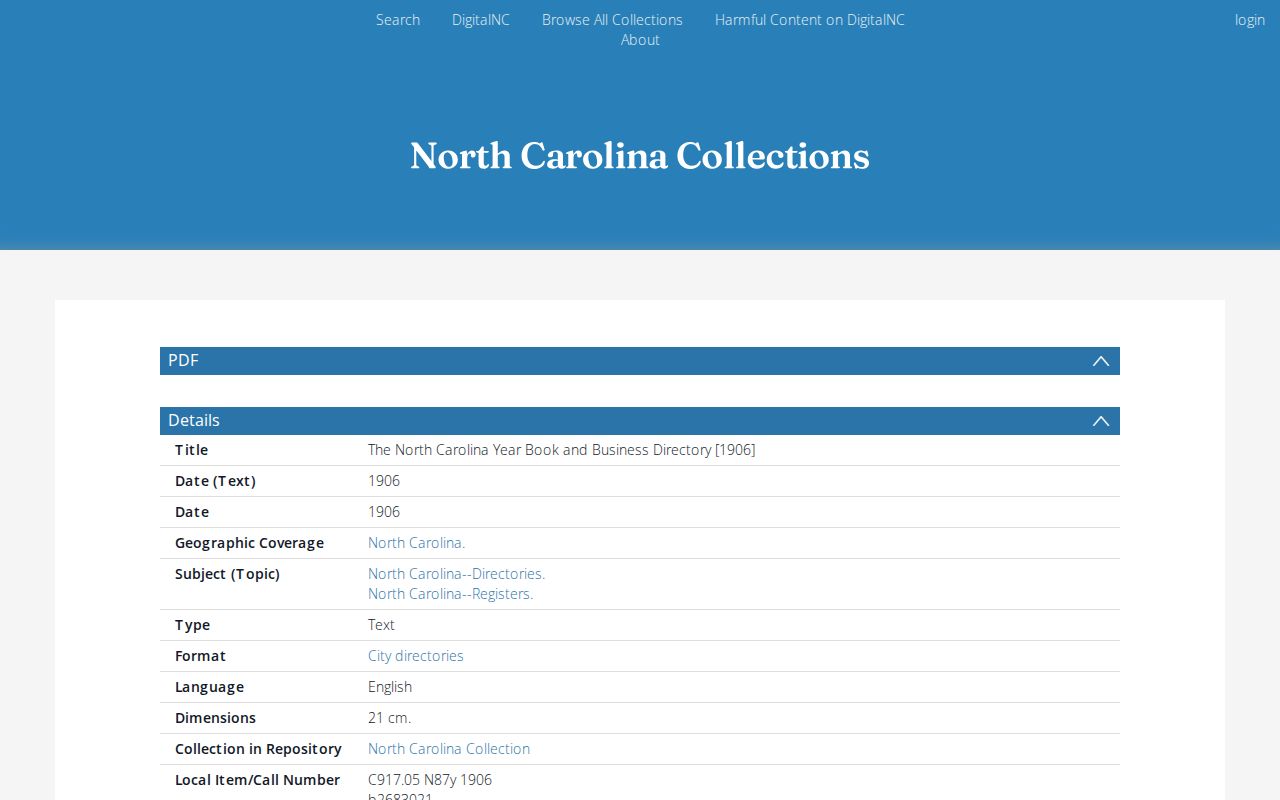
The catalog view is a useful citation point, while the scan itself supplies the printed page needed to check a spelling, category, or post-office reference.
The inspected 1906 volume places Leland among Brunswick County post offices and communities. Its county facts include Southport as the county seat, then move through categories such as town officers, churches, schools, doctors, merchants, manufacturers, farmers, and other trade lines. Search Leland, Brunswick, and Southport when a name may have been indexed under a wider county context.
Reading a Leland City Directory Listing
A historical entry has to be read for what the volume actually records. In the inspected 1906 sample, the useful identity pieces were a person or business name, a role or occupation, and a town or post-office association. The sample did not show a spouse field, street number, household notation, owner mark, or a reverse section. A line can therefore place a name in a business or community context without proving a full household, a precise residence, or continuous presence.
| Name or business | The indexed person or enterprise; check initials and spelling variants. |
|---|---|
| Role or trade | A category such as merchant, farmer, doctor, manufacturer, or another listed line of work. |
| Place association | A town or post office, which can be broader than a modern street address. |
| Printed placement | The scan page and catalog record, used instead of a modern record number. |
| Absent fields | No observed street number, household-style spouse field, or owner notation in this sample. |
- Criss-cross directory
- An address-ordered directory type used to look from a street address toward a listed name. No verified public Leland run was located.
- Householder index
- A name index centered on the person heading a listed household. It is not a feature confirmed in the 1905 or 1906 Brunswick samples.
- Abbreviation key
- The legend printed in a volume that explains shortened terms. Read it before assigning a meaning to a mark.
Leland's Post-Office Identity
Myth: a Leland entry in an early book is a city-government resident list. The research says otherwise. A railroad and crossroads settlement developed in the mid-1890s, the Leland name dates to 1897, and the post office opened on February 10, 1898. Town incorporation did not occur until September 12, 1989. That sequence explains why an early hit may be filed as Brunswick County, a Leland post office, or a nearby township rather than under a modern Town of Leland heading.
- 1867-68: the first Brunswick business-directory reference reported by the Historical Society.
- 1896: another reported county business-directory reference before Leland's incorporation.
- 1905 and 1906: cataloged North Carolina city and business directory items at DigitalNC, with a digitized 1906 item.
- 1989: Leland incorporated as a town, long after the early post-office and county directory context.
That place history is a practical search tool. Try the historical post-office and county terms along with the surname. When a result shows only a community clue, use a deed, census entry, obituary, or probate record to test whether it belongs to the same person. This is especially important for common names and for entries that describe a business rather than a home.
Leland City Directories Through the Library
The Brunswick County Library genealogy and online-resources page is the best local starting point when a digitized catalog does not answer the question. The library path combines NewsBank and the Brunswick Beacon, DigitalNC, Ancestry Library Edition in the library network, HeritageQuest, and Digital Sanborn Maps through NC LIVE. Ask the Leland Branch or reference desk about yearbooks, microfilm, local obituaries, and any directory runs not described on the web. Not all of those holdings are cataloged online.
The library's online genealogy resource page shows the database route used for this Leland historical research.
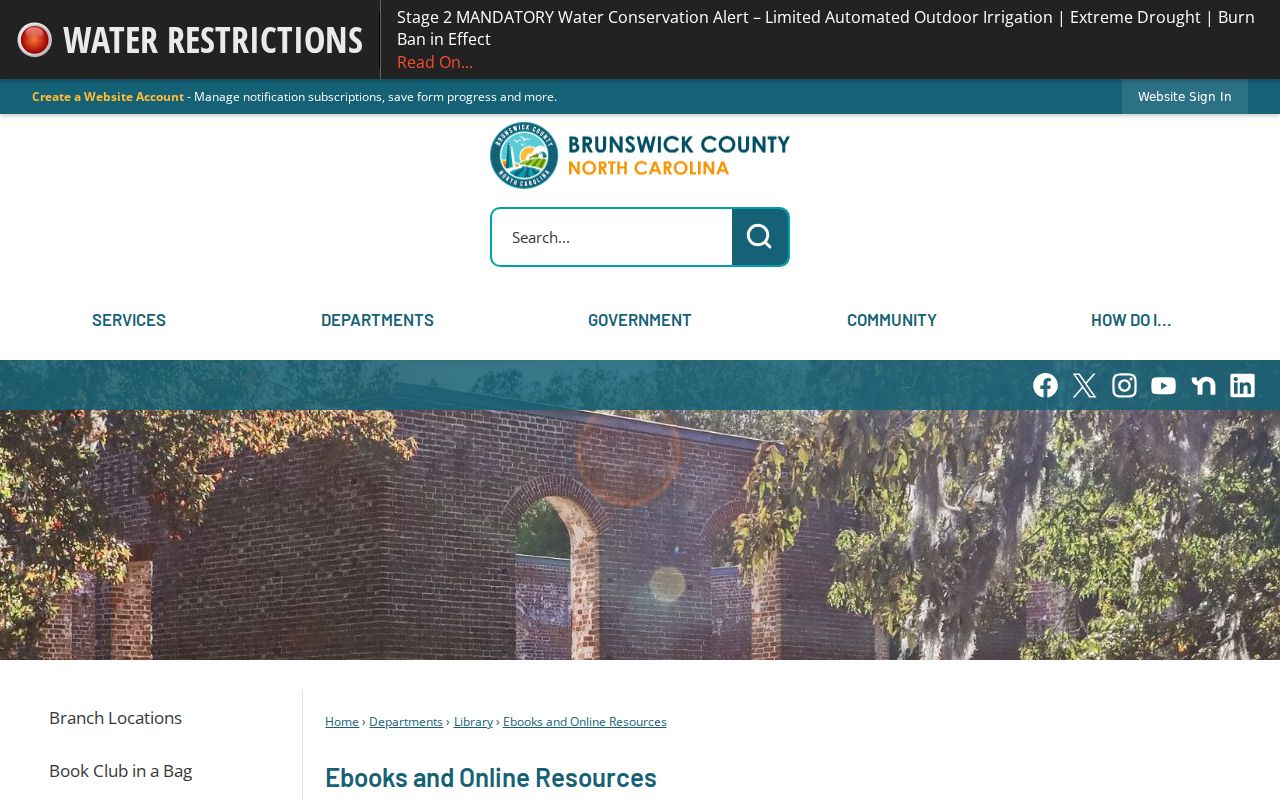
Use the database list to choose a companion source, then save the issue date and repository so another researcher can repeat the search.
NewsBank is described as a remote archive with a library card, and DigitalNC adds Brunswick Beacon material from 1985 through 1994. Ancestry Library Edition is a library-network resource, while HeritageQuest provides a library-card route. A database transcription or tree is a lead, not the final proof; compare it to the scan or original repository record.
The Unverified Leland Reverse Directory
A reverse or criss-cross volume would normally begin with an address and lead toward a listed occupant. No verified public Leland run was found in the research. That absence matters because it prevents an address-first search from being presented as if a historical phone-book index were available. Ask the Brunswick County Library or Historical Society whether such volumes exist, and request the publisher, years, and access conditions before relying on a result.
For an old address, use the legal description, lot and block, plat, deed book and page, or post-office context until a real reverse volume is confirmed. Modern street names should not be projected backward. No official Leland street-renumbering or road-renaming year was located, so a current number alone can be a weak bridge to an earlier record.
Note: A missing reverse directory is a research gap, not permission to infer a former household from an unrelated address listing.
Trace Leland City Directory Names
Family-history work improves when each entry is carried forward as a testable fact. Start with the most specific known element, such as a full name, post office, trade, church, or business. Then pair a historical book with the closest available federal census, rather than treating one printed line as a biography. The public 1950 census is the newest decennial census available under the standard 72-year release rule described in the research. Directory clues can guide the search, but the census, deed chain, and obituary trail do the confirming.
- Find the name or business in a dated Brunswick or North Carolina volume and note its exact wording.
- Record the post-office association, trade line, and scan page with the catalog link.
- Check spelling variants, initials, former surnames, and whether the entry names a business rather than a person.
- Pair the clue with the nearest available federal census year, then compare household and place details.
- Use a deed, probate file, or obituary notice to test the later or earlier connection.
A person who disappears from one volume may have moved, changed names, died, been omitted, or been listed only through a business. The Brunswick Beacon, estate records, cemetery material, and deeds can separate those possibilities. When the goal becomes a modern, address-keyed question, use the county property and deed routes rather than stretching a historical listing beyond its evidence.
Brunswick Historical Society Holdings
The Brunswick County Historical Society is the most place-specific supplement to the library route. Its reported materials include the Gold & Morse Bible Record for 1806-1946, family and local histories, cemetery and obituary material, church records, loose papers, maps, vital, deed, tax, court, and military records, diaries, and oral histories. The newsletter also refers to a Genealogy Research Room and to a Brunswick Town Chapter NSDAR and Brunswick Community College Bible-record scanning project.
The Historical Society newsletter archive is the source for this Leland historical-holdings lead-in.
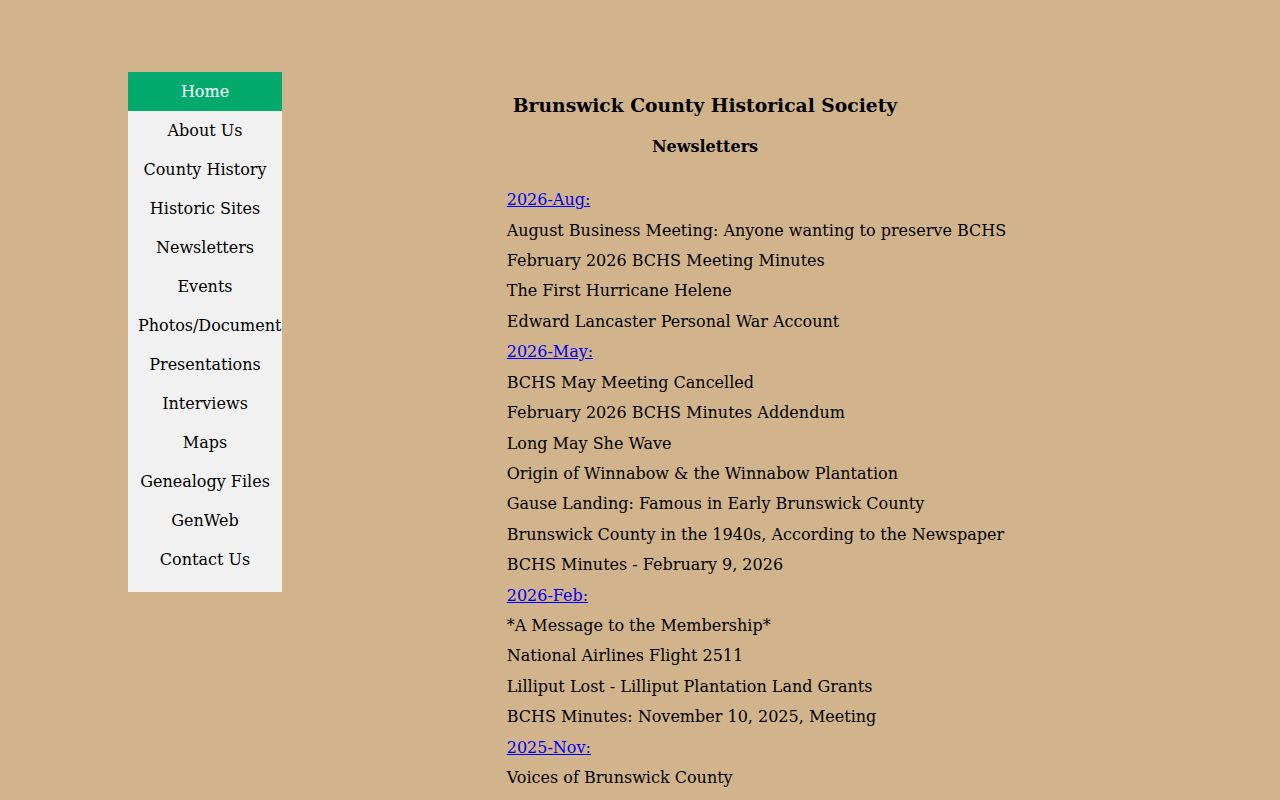
Newsletter references show useful collection categories, but they do not confirm a full inventory, a public member roster, or access details for every item.
These records are strongest for connecting a directory clue to a family, church, cemetery, or land history. They also help with the pre-registration period, because statewide birth and death registration began on October 1, 1913. A Bible or church entry can support a genealogy trail, but it is not the same thing as a certified civil certificate.
Archive Requests for Leland Records
When an online item points to a larger county series, the State Archives county-records guide is the next channel for deeds, estates, wills, court, tax, marriage, military, and Bible material. The Archives is not an open-ended genealogy service. A practical request identifies Brunswick County, a named person or record series, a year or narrow date range, and any book, page, or catalog clue already found. That gives staff a defined item to locate.
Insider tip: Begin with a catalog or scan citation, then use the State Archives copy-request form for a specific record rather than asking for every item connected with a surname.
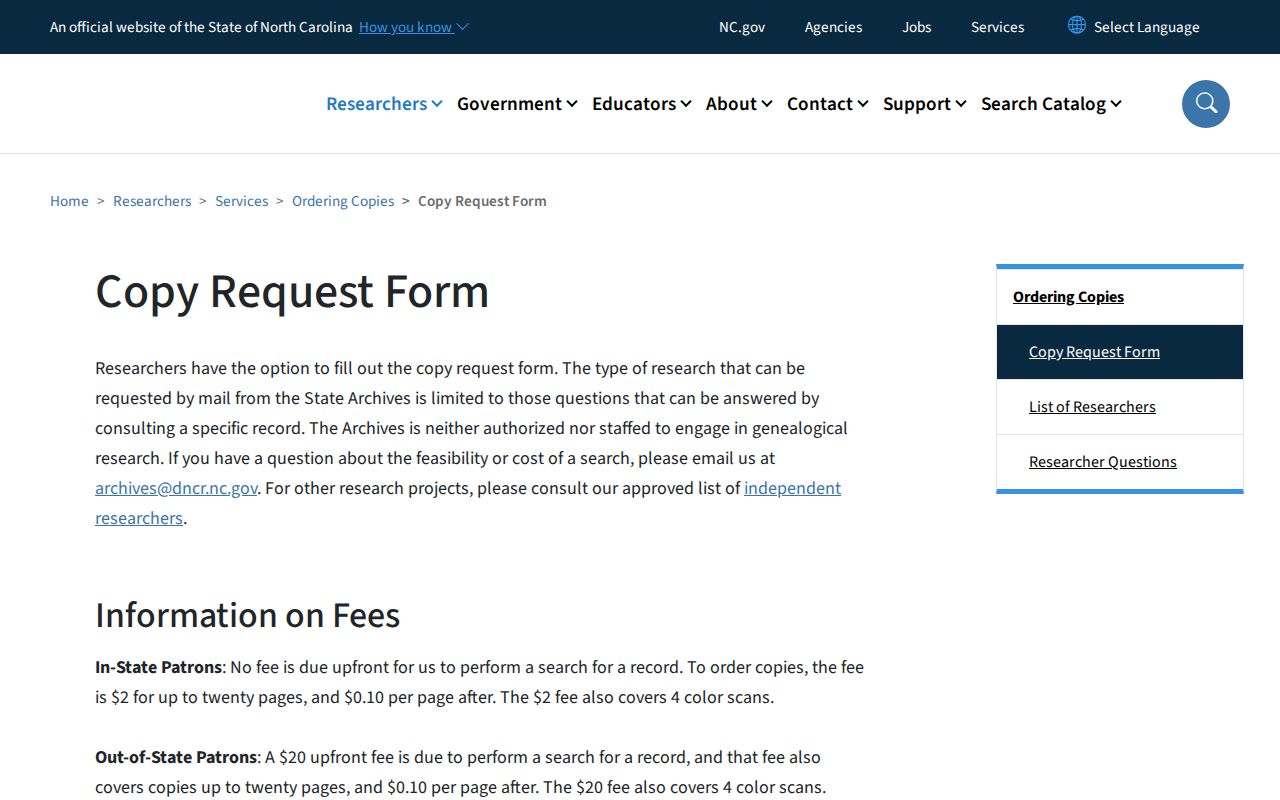
The form route makes the custodian, record category, requester information, and a focused description part of the request process.
UNC Chapel Hill's North Carolina Collection is the repository identified for the 1905 item, and the Library of Congress collection can add state directory context. Use those sources alongside the library, Historical Society, and Archives rather than expecting a single title to answer every family question.